

Alabama saw a big opportunity against No. 1 Arizona in Birmingham slip through its fingers with one gigantic, overwhelming run by the Wildcats to open the second half.
The Crimson Tide led by two at halftime, and then scored the first bucket of the second half to push the lead to 43-39. It was all Arizona from there as the Wildcats cruised to a 96-75 win.
Arizona went on a 28-6 run, which included a 16-1 haymaker. It turned a small Alabama lead into an 18-point deficit in just over eight minutes of game time. The run effectively ended the game, removing any real chance Alabama had.
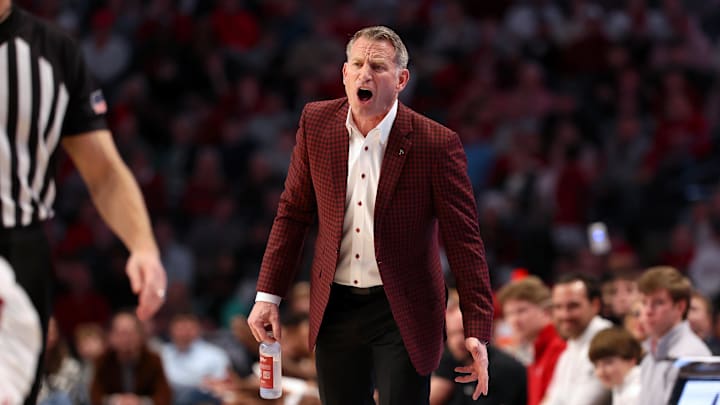
Nate Oats, as he often does, refused to call a timeout during Arizona's monster run. He typically has his team play through the adversity because he believes they are better for it. I normally don't disagree with the decision; too much is made of his lack of timeouts in those situations, but this one was different. Alabama desperately needed a reset - or a lineup change - to put an end to the Arizona barrage.
The relief never came.
Oats was asked about not calling a timeout after the game. His response didn't make anyone feel better.
“Call a timeout and tell them to play harder?" Oats asked. "You call a timeout and make adjustments. I’m not gonna call a timeout and tell them to play harder. These guys are supposed to be competitors. You compete, you play hard. So I didn’t think there was any defensive adjustments to make. The adjustment was to play harder. So if the adjustment’s to play harder, they need to figure that out on the fly.”
Nate Oats' stubborn refusal to call timeout cost Alabama in a major way
What Oats is ignoring is that calling a timeout isn't just to make an adjustment. Sometimes calling a timeout just stops the bleeding. The five on the floor for Alabama were hemorrhaging out there. They desperately needed a reset in that moment that wasn't coming.
Oats was undoubtedly frustrated with how they were playing, but his frustration turned into a stubbornness to force his players to play through the adversity. Defensive lapses, turnovers, and bad shots piled onto one another, and by the time there was a stoppage of play for the under-12 media timeout, the game felt over.
Oats likes to challenge his team and put them in adverse situations to see how they would respond. It's the whole point of playing ridiculously tough non-conference schedules every year. He wants to know all of his weak spots before conference play.
And if he had just said that in the postgame, I could have lived with that. That's a lot more defensible than the actual reasoning he gave instead.
Perhaps tactical adjustments weren't necessary. But a mental reset could have worked wonders and kept Alabama competitive.
 Add us as a preferred source on Google